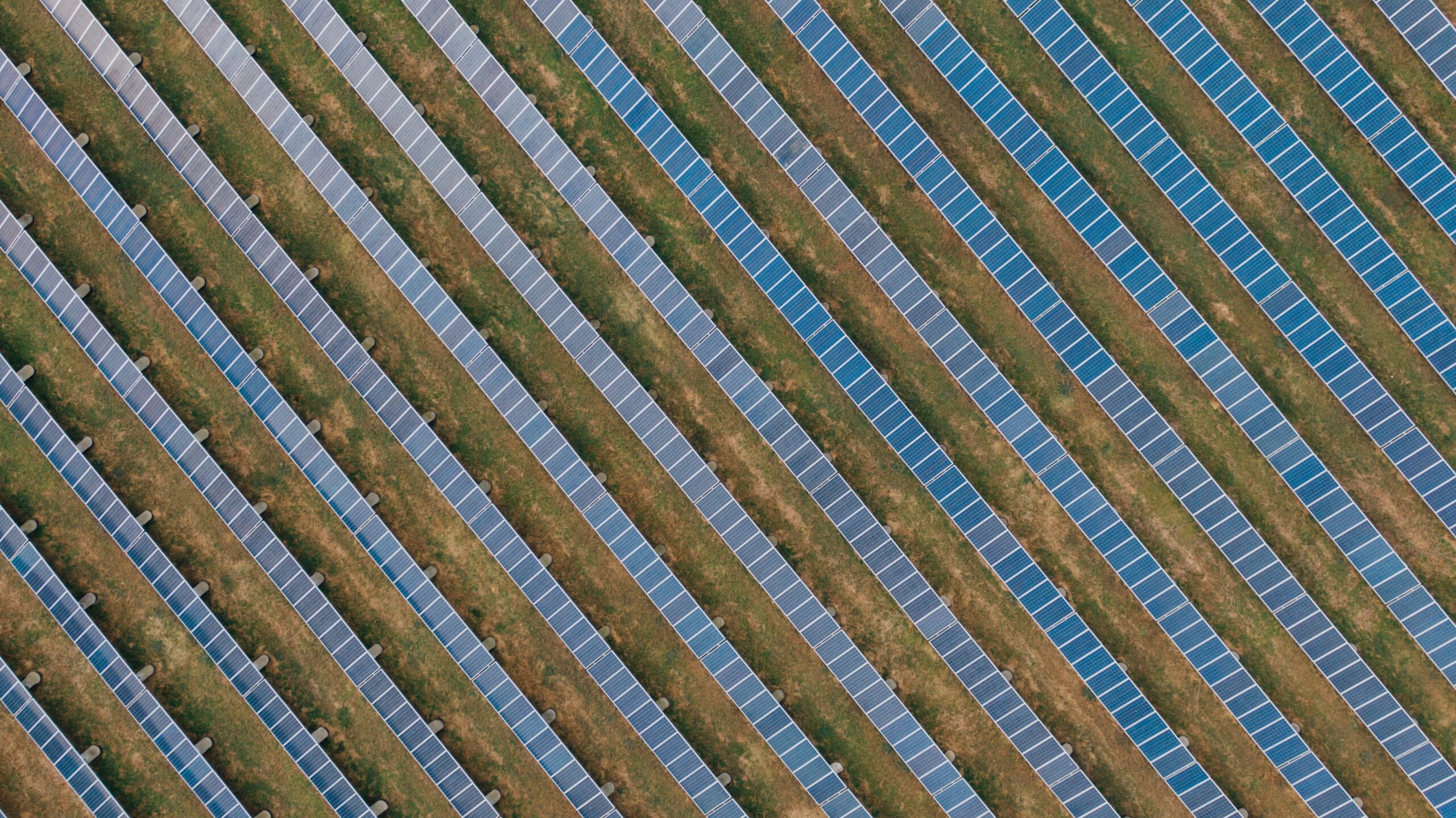
Solar energy is the light and heat emitted by the sun, harnessed to provide clean, renewable power for homes, businesses, and utilities. In South Africa, solar adoption is especially promising: by mid-2024, the country had installed around 2,287 MW of utility-scale photovoltaics, 5,791 MW of rooftop solar, and 500 MW of concentrated solar power, with projections to reach 8,400 MW by 2030 (Wikipedia). The nation’s abundant sunshine—ranging from 2,100 to over 2,300 kWh/m² annually—gives solar energy a cost and efficiency advantage over many regions (Wikipedia).
1. Capturing Sunlight: The Basics
Solar power systems typically use photovoltaic (PV) technology. Solar panels composed of semiconductor materials (usually silicon) absorb photons from sunlight, triggering the photovoltaic effect, where light energy knocks electrons loose, generating an electrical current (The Department of Energy’s Energy.gov, EnergySage).
2. Generating Electricity: DC to AC
The electricity generated by solar panels is in direct current (DC) form. Since most appliances and the electrical grid operate on alternating current (AC), the DC output must be converted using a solar inverter. This device transforms DC into AC and may also include features like maximum power point tracking (MPPT) and safety provisions such as anti-islanding (National Grid, Wikipedia).
3. Distributing Energy: Use, Store, or Export
Once converted, the AC electricity feeds into your home’s electrical panel and is distributed to power appliances and devices. Any excess energy can be:
- Stored in a battery system for later use, enhancing resilience and self-sufficiency.
- Fed back into the grid, often earning you credits if a net-metering arrangement is in place (Palmetto, National Grid).
4. Beyond PV: Other Solar Technologies
While PV systems dominate rooftop and small-scale installations, there are other ways to harness solar energy:
- Concentrated Solar Power (CSP) uses mirrors to focus sunlight into heat, which drives steam turbines—ideal for large power plants (The Department of Energy’s Energy.gov, Wikipedia).
- Solar thermal systems, including solar hot water heaters, heat water or air directly using sunlight without electricity (NREL).
5. Why Solar Is Important
Solar energy is one of the cleanest, most abundant renewable sources available. Once installed, PV systems emit no greenhouse gases and have a long lifespan (typically 25–40 years) (Wikipedia, NREL). The sun delivers more energy to Earth’s surface in just 90 minutes than all humanity uses in an entire year (The Department of Energy’s Energy.gov).
6. Ark-Solar & Solar in South Africa
Ark Solar, a South African, family-owned solar installer, brings this power to local homes and businesses through accredited MCS-compliant installations, over 10 years of experience, and 24/7 support (Ark Solar). They offer free consultations to tailor installations to customer needs, ensuring your panels generate the right amount of power and are installed for maximum efficiency (Ark Solar).
Final Thoughts
Solar energy provides a sustainable, eco-friendly solution to rising energy needs—especially in sunny regions like South Africa. Whether via PV or heat-based systems, solar taps into virtually limitless energy, helping reduce carbon footprints and electricity costs. Companies like Ark Solar make harnessing this resource easy and reliable for South African households and businesses alike.
Let me know if you’d like a shorter version, more technical details, or even localized tips for installing solar in your area!

0 Comments